Posted on 6/24/2026

European engineering delivers crisp handling, refined cabins, and strong safety tech. It also brings repair realities that can push invoices higher than many domestic or Asian brands. Here are the six big drivers behind those costs, plus a few ways to keep ownership predictable. 1. Platform-Specific Parts and Fluid Standards European brands lean on tight component tolerances and cutting edge technology to achieve the premium performance and driving characteristics they're know for. That means brake pads formulated for a specific caliper, oils that meet exact ACEA or manufacturer specs, and sensors tuned to a given control module. Cheaper substitutes may be outside the manufacturer's tolerance or of a different, incompatible material, leading to noise, warning lights, or early wear, which ends up costing more. We stick to parts and fluids that meet the approval list so the repair solves the problem the first time. 2. Electronic Systems, Secure ... read more
Posted on 5/19/2026
%20copy.jpg)
Oil spots, a burnt-oil smell, or a little smoke after a drive can feel like small annoyances at first. Many leaks start that way. The problem with leaks isn't just what is coming out, it's the loss of fluid. Vehicles running low on fluids can cause serious damage. Once once low fluid causes damage, you are no longer deciding whether to fix a leak. You are deciding how far the damage has traveled. Engine Leak Symptoms You Should Not Brush Off Leaks do not always drip onto the driveway. Oil can land on covers and shields, then spread while you drive, or leak onto hot components and burn off. The first clue is often smell. Coolant leaks can be even sneakier because coolant evaporates and burns off more easily than oil. A small loss may only show up as a low reservoir level. Watch for the early signs of a leak, low fluid levels at the time of an oil change are an indication of a small leak. Some fluids in the vehicle have level sensors and will alert ... read more
Posted on 4/2/2026
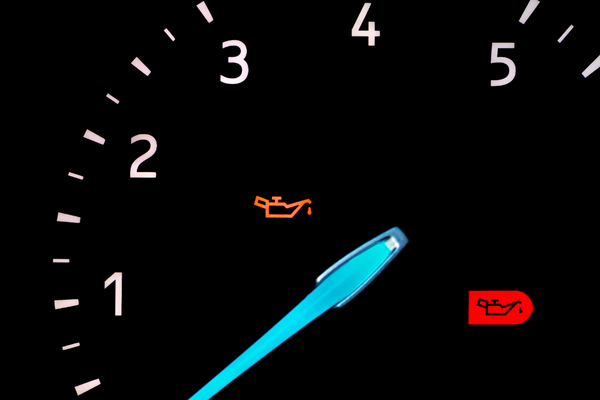
Oil warnings make drivers uneasy for good reason. The trouble is that many people see the oil symbol, notice the color, and are still not sure how serious the problem really is. Some keep driving because the engine still sounds normal. Others panic without knowing whether the light points to low oil, low pressure, or something more urgent. The color of that warning makes a big difference. Why The Two Oil Lights Are Not The Same A yellow oil light and a red oil light do not send the same message. They are both tied to the engine’s oil system, but they point to very different levels of urgency. One is generally a warning that the car needs attention soon. The other can mean stop driving before engine damage starts. That difference is where drivers get into trouble. A quick glance at the dashboard is not enough. You need to know what the car is actually trying to tell you. What A Yellow Oil Light Usually Means ... read more
Posted on 3/27/2026

If your Kia feels slow to respond when you press the gas pedal, the issue may lie within the engine. Hesitation during acceleration can point to misfires, poor compression, variable valve timing issues, fouled spark plugs, or failing ignition coils. On some models, this symptom could also be caused by turbocharger issues. Drivers often notice this issue during highway merging or uphill driving, when the engine is expected to deliver more power. If it feels like your vehicle is holding back, it may be time to have the engine checked. Smoke or Unusual Smells Blue smoke often indicates that the engine is burning oil, while white smoke could point to coolant entering the combustion chamber. Both are signs of internal leaks that need immediate attention. Smoke coming from under the hood is never a good sign. Burning smells may also come from oil leaking onto hot engine components. These issues can turn into fire hazards if ignored. Always take visual or sme ... read more
Posted on 1/11/2026
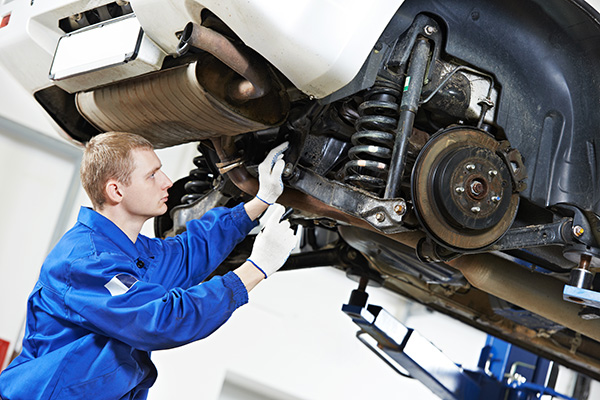
Most suspension problems don’t start with a loud bang. They usually begin as a slow change you feel over time. The car starts sounding a little bit rougher, the steering feels less settled on the highway, or you notice a clunk when you pull into a driveway or go over a bump. It’s easy to chalk it up to bad roads but it could be your suspension and suspension wear has a way of snowballing. Once the vehicle stops staying planted the way it used to, comfort is only part of the story. What The Suspension Is Really Doing While You Drive Your suspension has a few jobs that happen all at once. The suspension is not only there for comfort. It's main job is to keep the tires pressed to the road. The suspension controls body movement, articulates with uneven ground, and absorbs bumps so the tires roll over the ground with consistent pressure, rather than bouncing across it. Springs hold the vehicle up, ball joints allow multi-angle ar ... read more