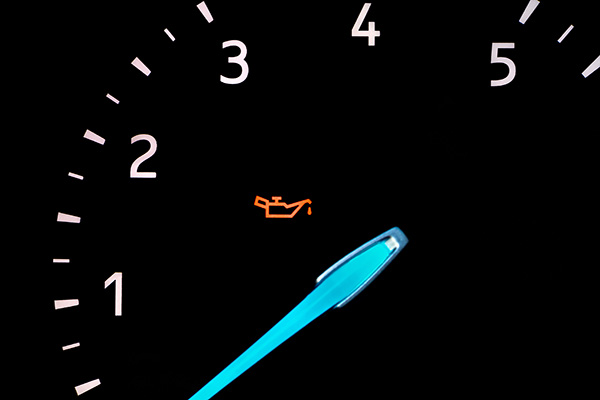
Oil warnings make drivers uneasy for good reason. The trouble is that many people see the oil symbol, notice the color, and are still not sure how serious the problem really is. Some keep driving because the engine still sounds normal. Others panic without knowing whether the light points to low oil, low pressure, or something more urgent.
The color of that warning makes a big difference.
Why The Two Oil Lights Are Not The Same
A yellow oil light and a red oil light do not send the same message. They are both tied to the engine’s oil system, but they point to very different levels of urgency. One is generally a warning that the car needs attention soon. The other can mean stop driving before engine damage starts.
That difference is where drivers get into trouble. A quick glance at the dashboard is not enough. You need to know what the car is actually trying to tell you.
What A Yellow Oil Light Usually Means
A yellow oil light often indicates a low oil level, not necessarily low oil pressure. In many vehicles, it means the engine still has oil pressure, but the system has detected that the oil level is lower than it should be. The engine may still sound fine, and the car may still drive normally for the moment.
That does not make it harmless. Low oil leads to low oil pressure. Even if the oil pressure isn't consistently low enough to trigger a pressure warning, the pressure can drop momentarily when oil demand is high, or the oil moves under acceleration, braking and turning. In some cases, adding oil will resolve the issue temporarily. However, oil levels should not drop very much when everything is operating normally. Usually, the low level is due to the engine leaking or burning oil, or to going too long between services. Most manufactures consider up to 1qt of oil consumption in 5,000 miles normal. Others allow for a bit more. Most oil level warnings are set at 1qt below the maximum so they should not be triggered before the next oil change. If they are, there is likely a problem.
The first and most important thing when the oil level gets low is to bring it back into a safe range by adding oil. Be careful not to add oil simply based on the light on the dash. If your vehicle is equipped with a dipstick, check the dipstick before adding to ensure you add the correct amount because overfilling the oil can also cause problems. On most dipsticks, the space between max and min is 1qt, NOT THE TOTAL OIL CAPACITY. If the oil is at the minimum, start by adding 1/2qt and then rechecking. If the level is now halfway between, add another half quart. Anywhere in this range is safe but if you may have a leak or consumption problem, it is best to get it to the max. Just make sure not to go above the max.
What A Red Oil Light Means
A red oil light is much more serious. In most cases, it points to low oil pressure, not just a low oil level. That means the engine is not getting the lubrication it needs where it needs it. Bearings, camshafts, timing components, and other moving parts depend on proper oil pressure every second the engine runs.
Once that pressure drops too low, the engine will start wearing internally very quickly. A red oil light is not a "finish the trip and check it later" kind of warning. It is a "pull-over and shut it off as soon as it is safe" kind of warning.
Once the engine is off, check the oil. The leading cause of low oil pressure is low oil level. Not all vehicles have oil level sensors and a yellow oil level warning light. Sometimes the first indication the vehicle will give you is the oil pressure warning.
If the oil level is low, top it off as described above and start the engine. If the red oil light does not return, it is safe to drive for now but the vehicle should be taken to a trusted mechanic to figure out why the oil got low. There may be a leak or consumption problem.
If the level is not low or the red light doesn't go away after getting the oil level in the safe range, turn the engine off and have it towed to the shop. While low oil pressure is never a good sign for the engine, some causes such as a failing sensor, oil pump or restricted or faulty pickup tube are repairable and can be fixed before further engine damage occurs.
Why A Red Oil Light Can Lead To Engine Damage Fast
An engine can survive being a quart low for a short time much more easily than it can survive running with poor oil pressure. Pressure is what moves oil through the engine and protects critical parts. Without it, metal parts start to lose their protective coating, and heat builds where it shouldn't.
Some parts of the engine, such as connecting rod bearings and crankshaft main bearings, use oil pressure to allow the components to float on the oil, rather than actually slide against each other. Without oil pressure, these surfaces touch and wear extremely fast.
That is why a red oil warning deserves immediate attention. The car may still sound normal for a few moments, but that does not mean the engine's interior is safe. By the time the engine gets loud, the damage may have already been done.
What Drivers Should Do First
If the yellow light comes on, the safest move is to check the oil level as soon as you can and look for signs of a leak or a pattern of oil loss. If the red light comes on, stop driving and shut the engine off as soon as it is safe to do so.
A few smart first steps are:
- Check whether the light is yellow or red
- Pull over safely and turn the engine off
- Check the oil level if it is safe to do so
- Schedule an inspection to find the real cause
A yellow warning gives you some room to respond. A red one gives you far less.
Why It Is Smarter To Check It Early
Oil is the most important fluid in your engine. Without good level and pressure, engine damage can occur quickly. Whether the issue is level or pressure, the earlier it is addressed, the better the chance is that it can be addressed before it becomes a bigger issue.
Get Oil Warning Light Diagnosis In Gaithersburg and Libertytown, MD, with Auto Pros
If your dashboard shows a yellow or red oil warning, Airpark Auto Pros in Gaithersburg and Integrity Auto Pros in Libertytown can inspect the oil system, check the level and pressure, and help you determine whether the problem is minor or more urgent.
Bring it in quickly, especially if the warning was red, so a smaller oil issue does not turn into major engine damage.